
)
APPLE PIE CONCERT SERIES
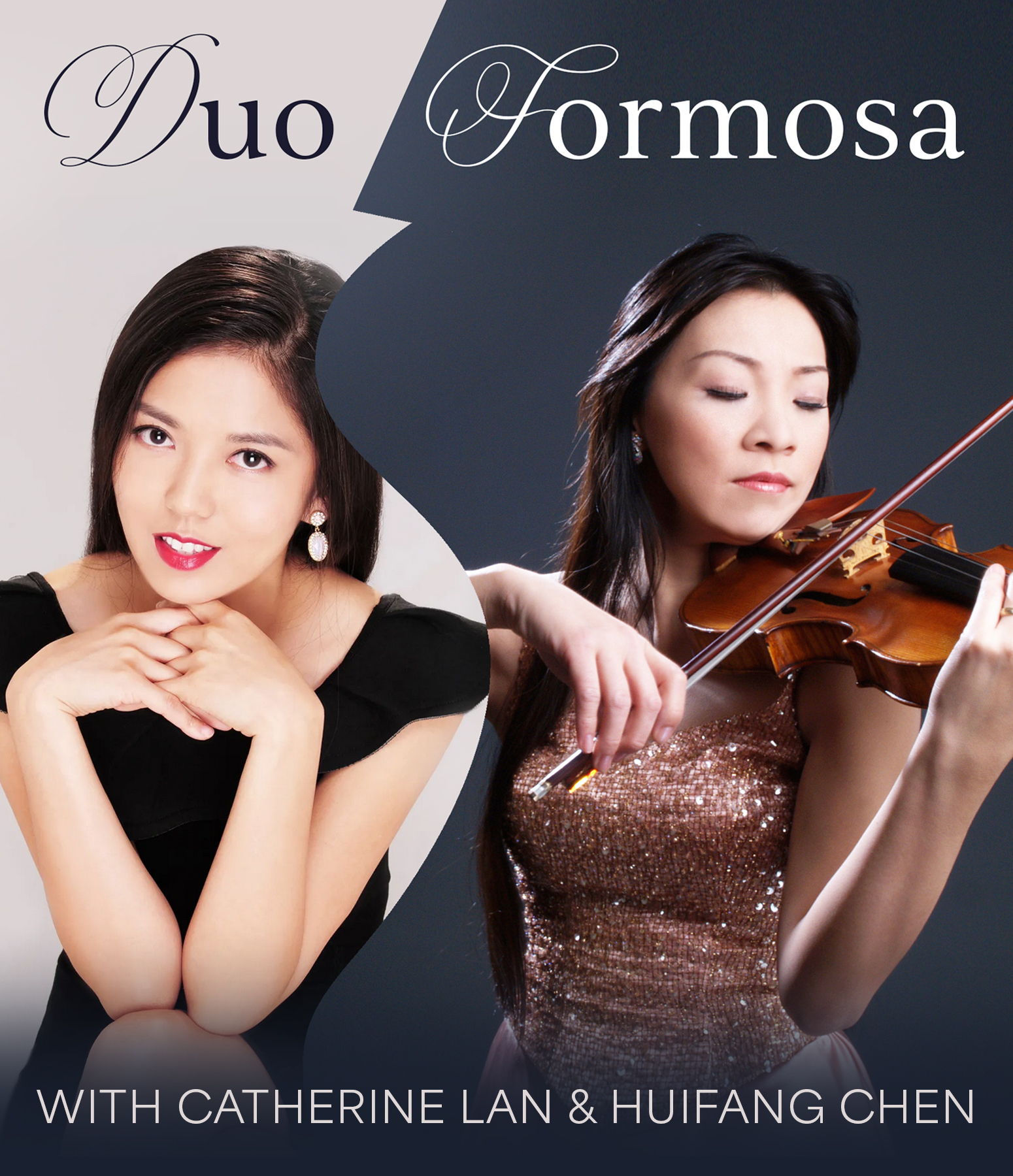
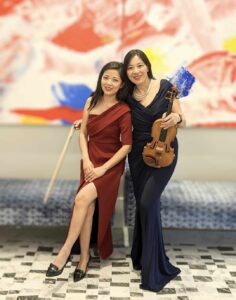
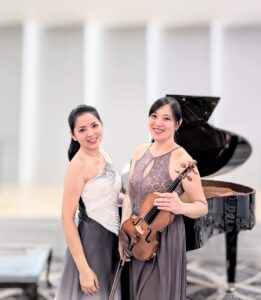
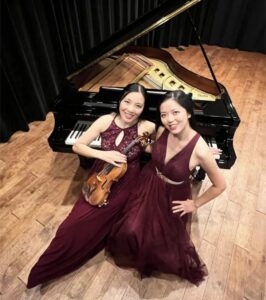
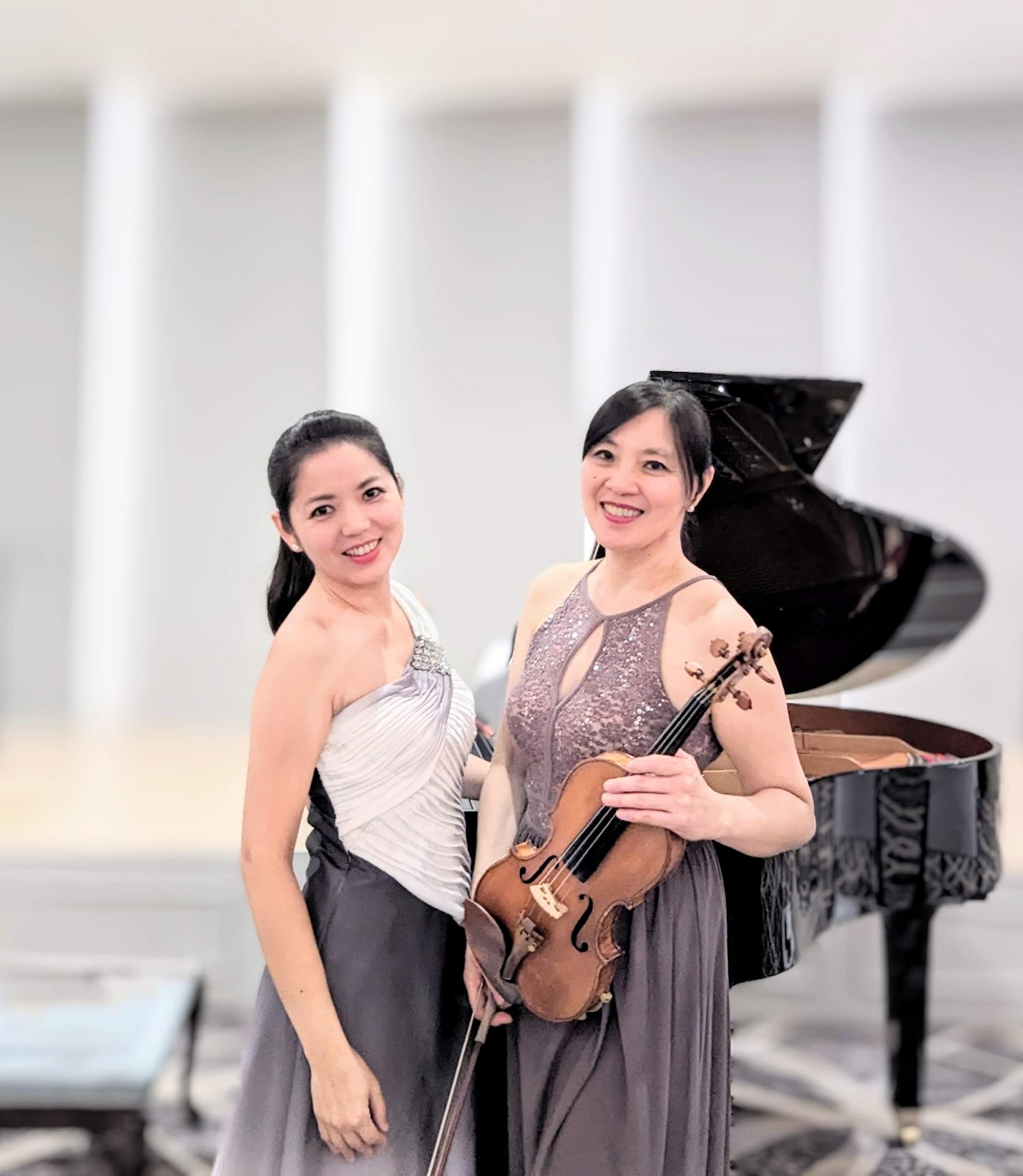
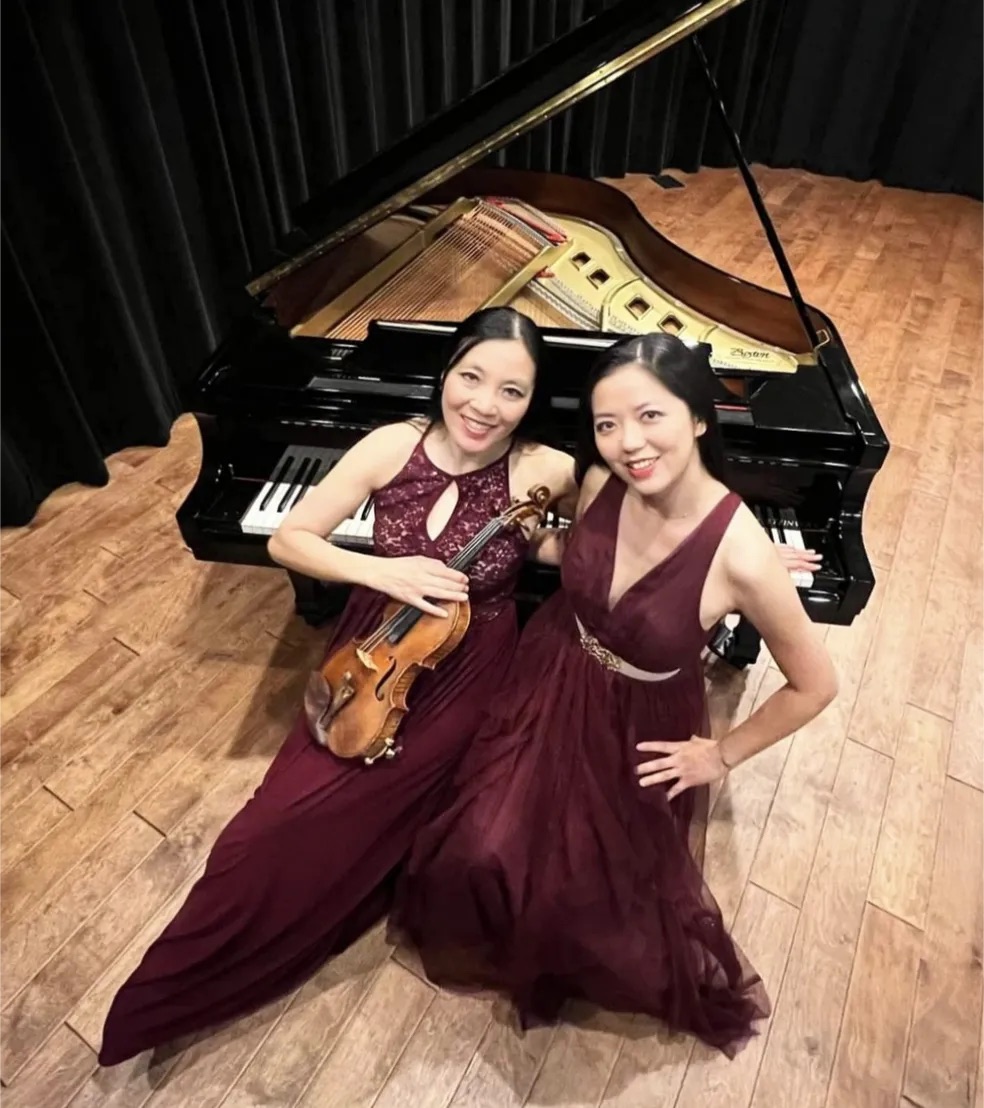
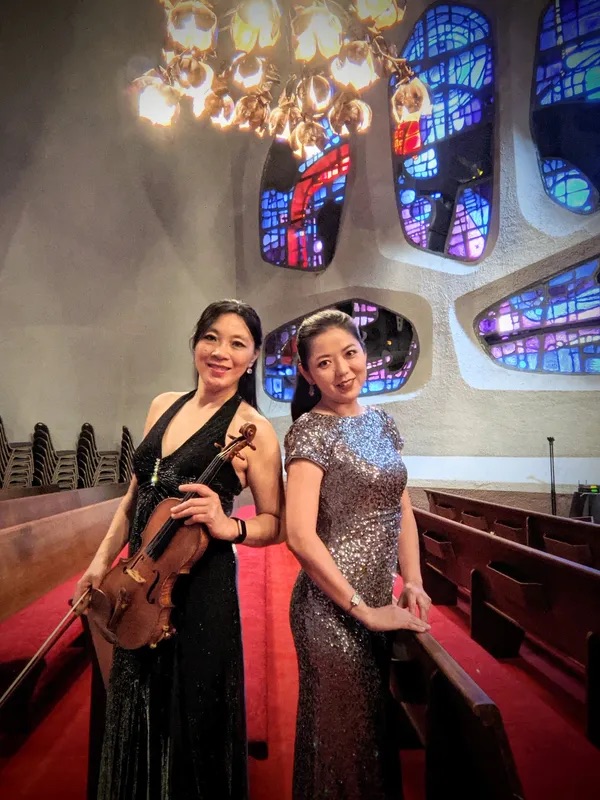
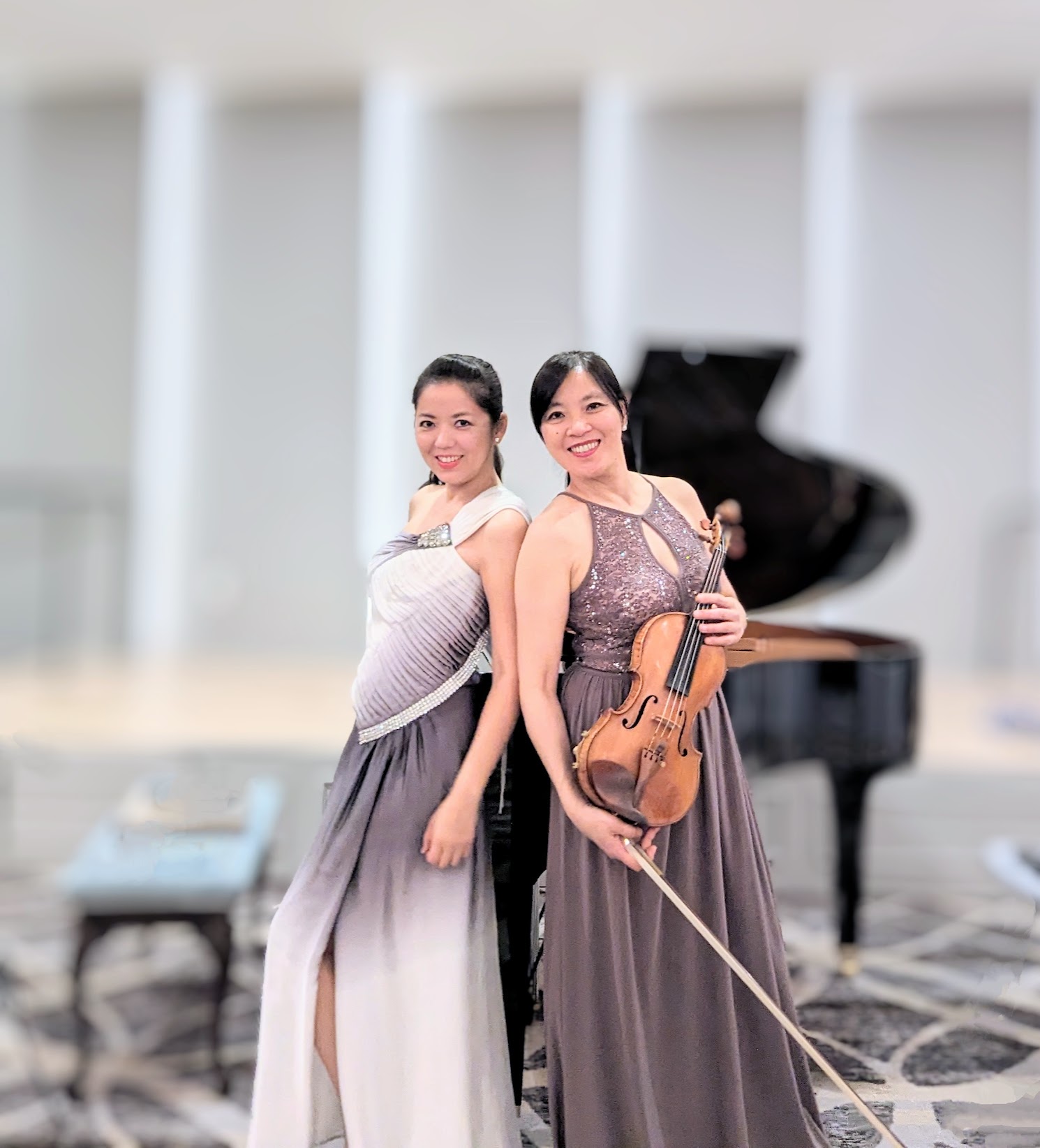
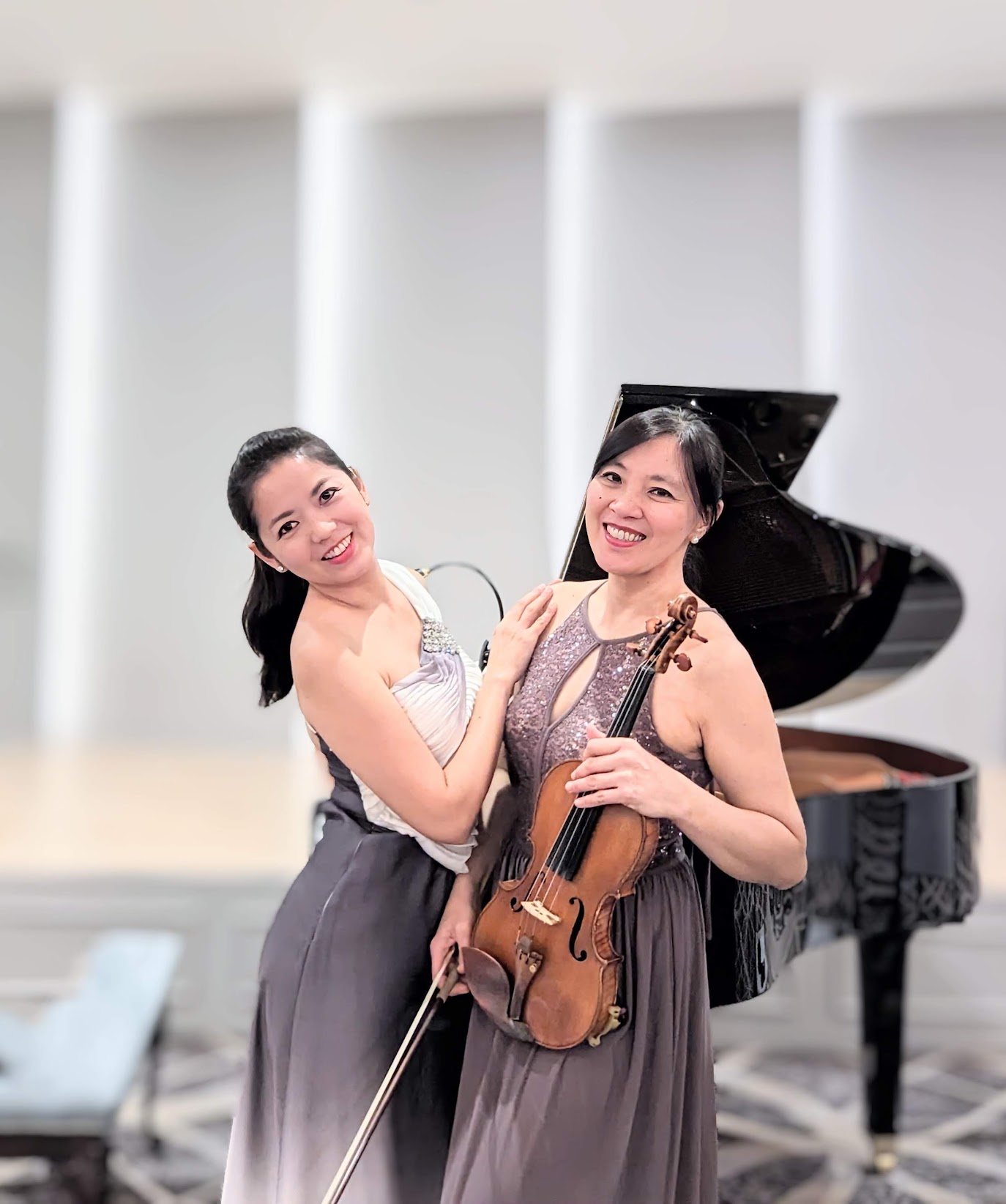
Duo Formosa
Formosa is the former name for Taiwan, dating from 1542, when Portuguese sailors sighted an uncharted island and noted it on their maps as Ilha Formosa (“beautiful island”).
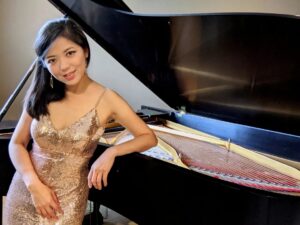
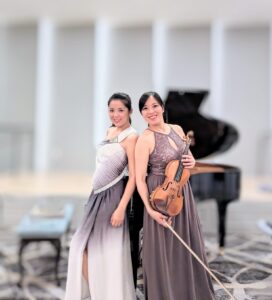
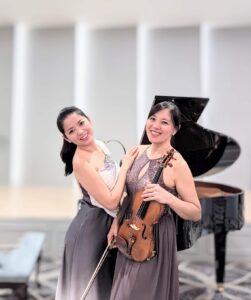
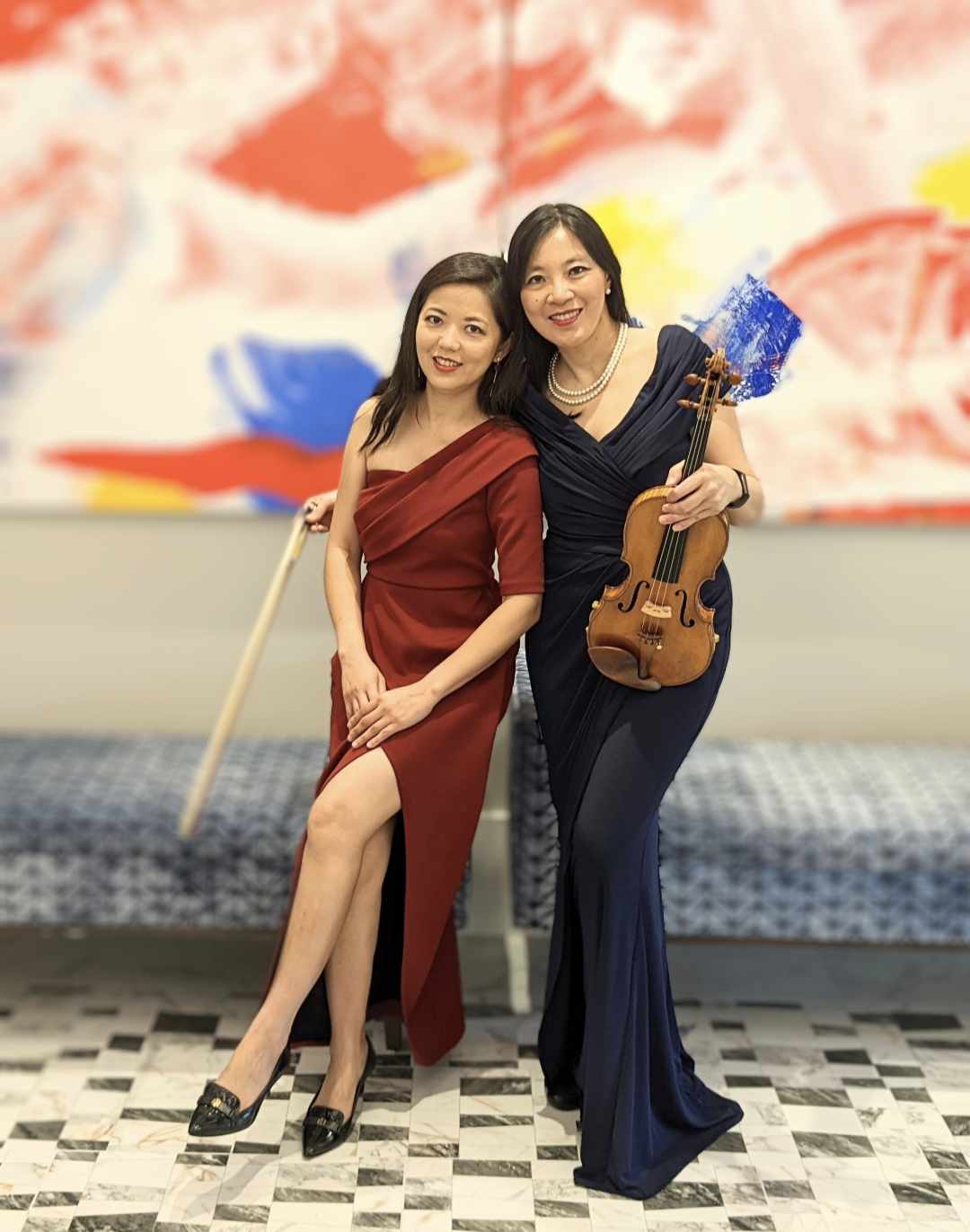
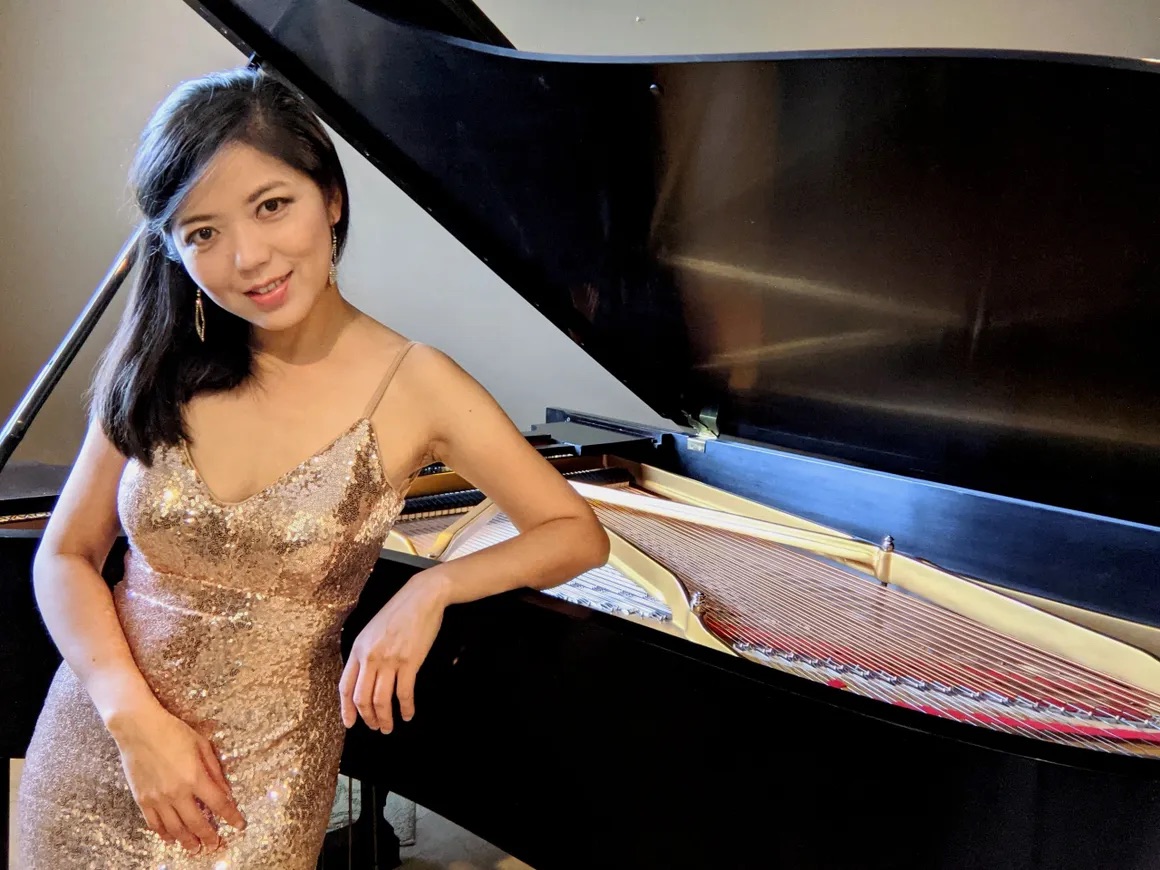
Both born in Taiwan, violinist Huifang Chen and pianist Catherine Lan have been concertizing as Duo Formosa, touring extensively throughout the United States and performing at major concert halls and museums, presenting a diverse repertoire that includes chamber works for the duo, solo selections, as well as compositions from Formosa (Taiwan).
Enthusiastic about education, Duo Formosa has presented lectures and recitals at libraries and universities across the USA, and in 2022, Duo Formosa made its Ireland debut with a concert tour throughout Limerick, Dublin, Wicklow, and Mullingar.
Part of our welcoming Apple Pie Concert series, this relaxed concert experience blends live music with engaging storytelling, followed by a slice of apple pie and a cup of coffee or tea shared with fellow music lovers. Come for the music, stay for the pie!
PROGRAM
Spring Breeze | Tyzen Hsiao
Fantasie in C major, D. 934 | Franz Schubert
INTERMISSION
Sonata for Violin & Piano No. 1 in D minor | Camille Saint-Saëns
Souvenirs d’Amérique, Op.17 | Henri Vieuxtemps
This captivating program celebrates the expressive depth and dazzling virtuosity of the violin and piano repertoire, bridging diverse cultures and eras. The concert opens with Tyzen Hsiao’s nostalgic Spring Breeze, a deeply lyrical piece that blends traditional Taiwanese folk idioms with lush, Romantic harmonies to capture the gentle hope of a seasonal awakening.
This intimate warmth gives way to the profound emotional landscape of Franz Schubert’s Fantasy in C major, D. 934. Written in the final year of his life, this monumental work weaves technical brilliance with sublime introspection, centering on a series of breathtaking variations on his own song, “Sei mir gegrüsst,” and demanding an extraordinary level of mastery from both instruments.
Following intermission, the mood shifts to the fiery passion of Camille Saint-Saëns’ Violin Sonata No. 1 in D minor, Op. 75. Renowned for its sweeping dramatic arcs and continuous, attacca structure, the sonata pushes both performers to their absolute limits. It seamlessly transitions from a turbulent, brooding opening to a fleet-footed, perpetuum mobile finale – a thrilling tour de force that famously inspired Marcel Proust’s fictional Vinteuil Sonata in his literature.
The concert concludes on a high note of pure showmanship with Henri Vieuxtemps’ Souvenir d’Amérique, Op. 17. Composed during his 1843 American tour, this playful and highly acrobatic set of variations showcases the ultimate peak of Romantic violin fireworks. Packed with daring left-hand pizzicatos, ricochet bowing, double-stops, and witty humor, it provides a spectacular, crowd-pleasing finale to a magnificent musical journey.
Audiences will experience a rich tapestry of sound that transitions seamlessly from quiet, reflective folklore to the heights of nineteenth-century European chamber masterworks and theatrical American bravura.

About the Composer
Tyzen Hsiao
Tyzen Hsiao (1938–2015) was one of Taiwan’s most celebrated composers, often referred to as the “Rachmaninoff of Taiwan” for his lyrical melodies, rich harmonies, and deeply expressive musical style.
Read More ››Franz Schubert
Franz Schubert (1797–1828) was an Austrian romantic composer and although he died at the age of 31, he was a prolific composer, having written some 600 lieder and nine symphonies.
Read More ››Camille Saint-Saëns
Camille Saint-Saëns (1835–1921) was a French composer, pianist, and organist celebrated for his brilliance, precision, and versatility. His works often explore themes of nature, mythology, and spirituality, blending classical balance with Romantic color.
Read More ››Henri Vieuxtemps
Henri Vieuxtemps (1820–1881) was a Belgian violin virtuoso and composer. He occupies an important place in the history of the violin as a prominent exponent of the Franco-Belgian violin school during the mid-19th century.
Read More ››